
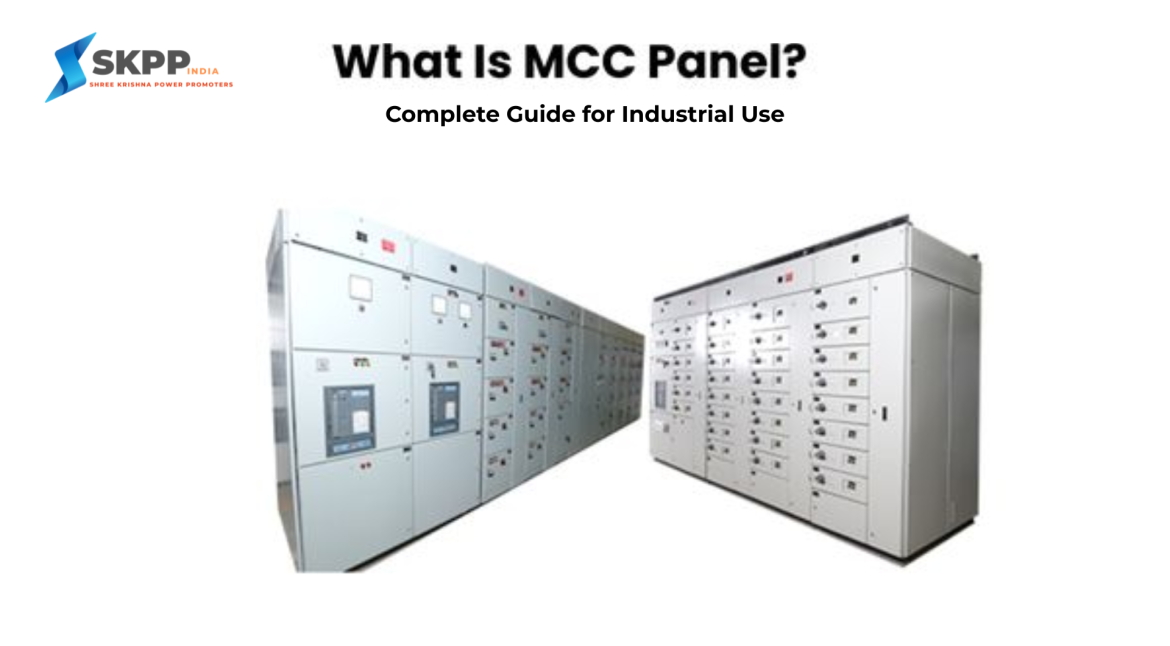
In modern industrial environments, efficient motor control is the backbone of smooth operations. From manufacturing plants to processing units, motors drive essential machinery, and managing them safely and efficiently is critical. This is where an MCC panel, also known as a motor control center, plays a vital role. A motor control center panel is a centralized system used to control, monitor, and protect electric motors in industrial applications. It ensures that motors operate efficiently while minimizing risks such as overloads, short circuits, and electrical failures. With increasing automation and industrial expansion, motor control center panels have become an indispensable part of power distribution systems.
What is an MCC panel?
An MCC (Motor Control Center) panel is a type of electrical panel designed specifically to control multiple motors from a single location. It consists of various components such as circuit breakers, contactors, relays, busbars, and motor starters, all housed within a structured enclosure. These panels allow operators to start, stop, regulate, and monitor motor operations safely and efficiently. Motor control center panels are widely used in industries where multiple motors need to function simultaneously under controlled conditions, ensuring operational consistency and reduced downtime.
Key Components of an MCC Panel
An MCC panel is made up of several essential components that work together to ensure reliable motor control. Circuit breakers are used to protect the system from overloads and short circuits. Contactors act as switches that control the flow of electricity to the motors. Overload relays provide protection against excessive current, preventing damage to motors. Busbars distribute electrical power across different sections of the panel. Additionally, variable frequency drives (VFDs) may be included to control motor speed and improve energy efficiency. Each component plays a crucial role in maintaining the overall functionality and safety of the system.
Types of MCC Panels
MCC panels are available in different types depending on industrial requirements. Fixed-type MCC panels have permanently mounted components and are suitable for applications with minimal maintenance needs. Draw-out type motor control center panels allow individual units to be removed easily for maintenance without shutting down the entire system. Intelligent MCC panels come equipped with advanced monitoring and communication features, enabling real-time data tracking and automation. These variations allow industries to choose a panel type that best suits their operational demands and maintenance preferences.
Working Principle of MCC Panels
The working of an MCC panel is based on centralized motor control and protection. Electrical power is supplied to the panel and distributed through busbars to individual motor feeders. When a motor needs to be operated, the contactor is activated, allowing current to flow to the motor. Overload relays continuously monitor the current and disconnect the motor in case of abnormal conditions. An advanced motor control center panel may include PLCs or automation systems that enable remote operation and monitoring. This centralized control mechanism enhances efficiency, safety, and ease of operation.
Applications of MCC Panels in Industries
MCC panels are widely used across various industries due to their versatility and efficiency. In manufacturing units, they control conveyor belts, pumps, and heavy machinery. In the oil and gas industry, MCC panels manage critical motor-driven equipment. Water treatment plants rely on MCC panels for pump control and distribution systems. In power plants, they are essential for controlling auxiliary systems. Other industries such as pharmaceuticals, cement, textiles, and food processing also depend heavily on motor control center panels for smooth and uninterrupted operations.
Advantages of Using MCC Panels
One of the biggest advantages of MCC panels is centralized control, which simplifies motor management and reduces operational complexity. They enhance safety by incorporating protective devices that prevent electrical hazards. Motor control center panels also improve energy efficiency, especially when integrated with VFDs. Maintenance becomes easier due to organized panel structures and modular designs. Additionally, they help in reducing downtime by quickly isolating faults and ensuring continuous operation of unaffected motors. These benefits make MCC panels a reliable choice for industrial setups.
MCC Panel vs PCC Panel: Key Differences
While both MCC and PCC panels are essential for power distribution, they serve different purposes. MCC panels are specifically designed for controlling and protecting motors, whereas PCC (Power Control Center) panels handle the overall power distribution in a facility. PCC panels receive power from the main source and distribute it to various sections, including MCC panels. In simple terms, PCC panels act as the main distribution hub, while MCC panels focus on motor control. Understanding this difference helps industries design efficient electrical systems.
Installation and Maintenance of MCC Panels
Proper installation of MCC panels is crucial for ensuring safety and performance. Panels should be installed in well-ventilated areas with adequate space for maintenance. It is important to follow industry standards and guidelines during installation to avoid future issues. Regular maintenance includes checking connections, cleaning components, inspecting protective devices, and testing system performance. Preventive maintenance helps in identifying potential problems early, reducing the risk of unexpected breakdowns and extending the lifespan of the panel.
Safety Features in MCC Panels
Safety is a primary concern in industrial electrical systems, and MCC panels are designed with multiple safety features. These include short circuit protection, overload protection, phase failure protection, and earth fault protection. Advanced panels may also include alarms, indicators, and automated shutdown systems. Proper grounding and insulation further enhance safety. By incorporating these features, the Motor Control Center panel ensures safe operation for both equipment and personnel.
Future Trends in MCC Panels
With the rise of Industry 4.0 and smart manufacturing, motor control center panels are becoming more advanced and intelligent. Integration with IoT and automation systems allows real-time monitoring and predictive maintenance. A smart motor control center panel can provide data analytics, helping industries optimize performance and reduce energy consumption. Remote access and control capabilities are also becoming standard features. These advancements are transforming motor control center panels into smart control systems that enhance productivity and efficiency.
Conclusion
MCC panels are an essential component of modern industrial electrical systems, providing centralized control, protection, and efficiency for motor operations. Their ability to manage multiple motors, enhance safety, and improve energy efficiency makes them indispensable across various industries. With advancements in technology, motor control center panels are being provided into smarter and more efficient systems, helping industries achieve higher productivity and reliability. Investing in a high-quality motor control center panel ensures smooth operations, reduced downtime, and long-term cost savings for any industrial setup.
FAQs
1. What is the full form of the MCC panel?
MCC stands for Motor Control Center, which is used to control and manage multiple electric motors in an industrial setup.
2. What is the use of an MCC panel in industries?
An MCC panel is used to start, stop, protect, and monitor motors, ensuring efficient and safe operation of machinery.
3. What is the difference between MCC and PCC panels?
MCC panels control motors, while PCC panels handle the main power distribution in an industrial facility.
4. What are the main components of an MCC panel?
The main components include circuit breakers, contactors, overload relays, busbars, and sometimes VFDs for speed control.
5. How often should MCC panels be maintained?
MCC panels should be inspected and maintained regularly, typically every 3 to 6 months, depending on usage and environmental conditions.
6. Are MCC panels energy efficient?
Yes, especially when integrated with VFDs and automation systems, MCC panels help reduce energy consumption and improve efficiency.