
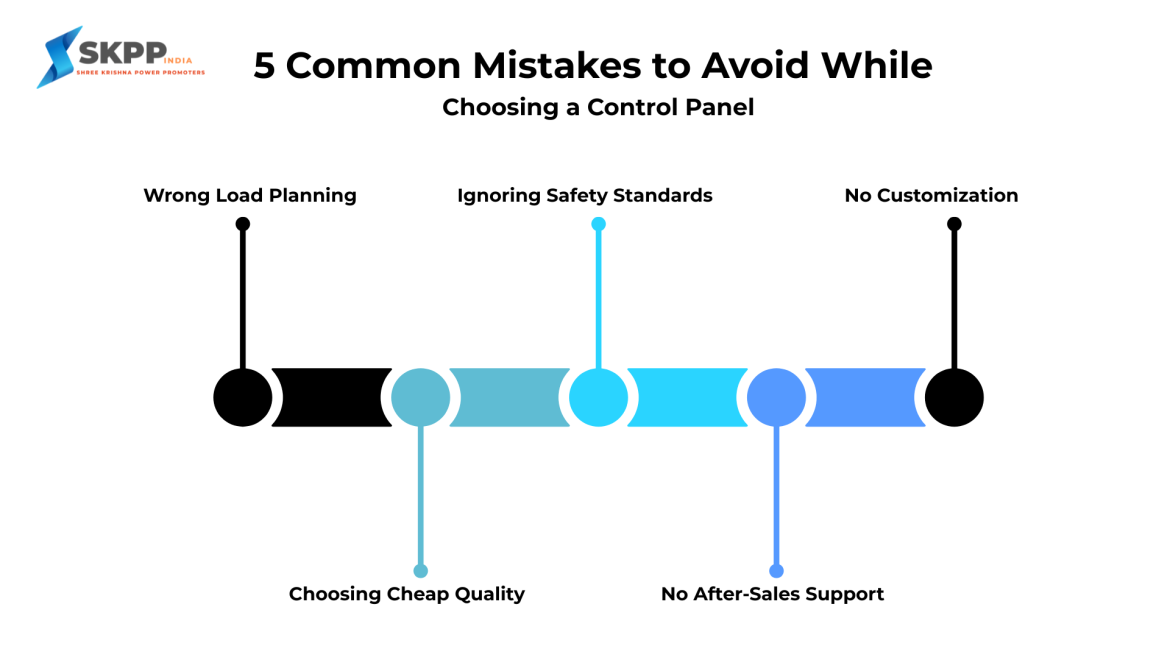
Choosing the right electrical control panel is one of the most critical decisions for any industrial setup. Whether you run a manufacturing plant, processing unit, or commercial facility, the performance, safety, and efficiency of your operations depend heavily on the control panel you select. However, many businesses make avoidable mistakes during this process, which leads to higher costs, downtime, and even safety risks. In this detailed guide, we will explore the 5 most common mistakes to avoid while choosing a control panel, helping you make a smarter and more informed decision.
Ignoring Proper Load Calculation and Capacity Requirements
One of the biggest mistakes businesses make is selecting a control panel without accurately calculating their load requirements. Many industries either underestimate or overestimate their power needs, which leads to serious operational issues later on. A panel with insufficient capacity can result in overheating, frequent tripping, and equipment damage, while an oversized panel can unnecessarily increase costs. Proper load calculation involves understanding your current power consumption, future expansion plans, and peak load demands. Without this analysis, your system may fail under pressure or operate inefficiently. A well-designed control panel should always accommodate both present and future needs. Consulting an experienced manufacturer or electrical engineer can help ensure that your panel is perfectly sized for your application, avoiding costly mistakes in the long run.
Overlooking Safety Standards and Compliance
Safety should never be compromised when selecting an electrical control panel, yet many businesses overlook this aspect. Ignoring safety standards can lead to hazardous situations such as electrical fires, short circuits, and equipment failure. Additionally, non-compliance with industry regulations can result in legal penalties and operational shutdowns. A reliable control panel must comply with Indian and international safety standards such as IEC guidelines and proper insulation practices. Features like circuit breakers, overload protection, proper earthing, and fault detection systems are essential components that should never be skipped. Investing in a certified and safety-compliant panel ensures not only protection for your equipment but also the safety of your workforce.
Choosing Price Over Quality
While budget is an important factor, choosing a control panel solely based on price is a major mistake that can cost more in the long term. Low-cost electric panels often use substandard materials, poor wiring practices, and unreliable components, which can lead to frequent breakdowns and increased maintenance costs. A high-quality control panel may require a higher initial investment, but it offers better durability, reliability, and performance. Quality panels are built with robust components, proper design standards, and tested systems that ensure smooth operation over time. Instead of focusing only on cost, businesses should evaluate the overall value, including lifespan, efficiency, and after-sales support. Remember, a cheap panel today can become an expensive problem tomorrow.
Not Considering Customization and Application Needs
Every industry has unique requirements, yet many businesses make the mistake of opting for standard control panels without considering customization. A one-size-fits-all approach rarely works in industrial environments where processes and operational demands vary significantly. Customized control panels are designed to match specific applications, whether it’s automation, motor control, or process control. They can include PLC systems, VFDs, and specialized configurations that improve efficiency and productivity. Ignoring customization often results in reduced performance, operational inefficiencies, and difficulty in scaling your system. Working with a manufacturer who understands your industry and offers tailored solutions can make a significant difference in achieving optimal results.
Ignoring After-Sales Support and Maintenance
Many companies focus only on the purchase phase and neglect the importance of after-sales support and maintenance services. This is a critical mistake because control panels require regular maintenance, troubleshooting, and occasional upgrades to function efficiently over time. Without proper support, even minor issues can lead to major downtime and production losses. A reliable manufacturer should offer technical support, maintenance services, and quick response times in case of failures. Additionally, access to spare parts and trained technicians ensures that your operations remain uninterrupted. Choosing a partner who provides strong after-sales service is just as important as selecting the right control panel itself.
Conclusion
Selecting the right electrical control panel provider is not just a technical decision—it’s a strategic investment that directly impacts your business performance, safety, and operational efficiency. By avoiding these common mistakes—such as ignoring load requirements, compromising on safety, choosing price over quality, neglecting customization, and overlooking after-sales support—you can ensure a reliable and future-ready system. A well-designed control panel enhances productivity, reduces downtime, and provides long-term value. Always take a comprehensive approach, consult experts, and prioritize quality and safety to make the best decision for your industry.
FAQs (Frequently Asked Questions)
1. What is an electrical control panel?
An electrical control panel is a system that manages and controls electrical equipment and machinery in industrial and commercial setups.
2. Why is load calculation important in control panel selection?
Load calculation ensures the panel can handle power requirements without overheating or failure.
3. How do I choose the right control panel manufacturer?
Look for experience, quality standards, customization options, and strong after-sales support.
4. What are the key safety features in a control panel?
Circuit breakers, overload protection, proper earthing, and fault detection systems are essential safety features.
5. Is a customized control panel better than a standard one?
Yes, customized panels are designed to meet specific industrial needs and provide better efficiency and performance.